7 Ways Municipalities Can Strengthen Damage Prevention
Municipalities have a lot of responsibility when it comes to protecting underground infrastructure. From water and sewer lines to electric and communication facilities, damage to these utilities can lead to costly repairs, service interruptions, project delays, and serious safety risks.
Having a strong damage prevention program can help reduce those risks. But where should a municipality start, and what can it do to improve an existing program?
That’s where Missouri 811’s Damage Prevention Team can help.
Every Municipality Has Different Needs
A small community with limited staff may need help developing procedures or training employees who handle several responsibilities. A larger city may be dealing with multiple contractors, major utility installations, or communication challenges between departments.
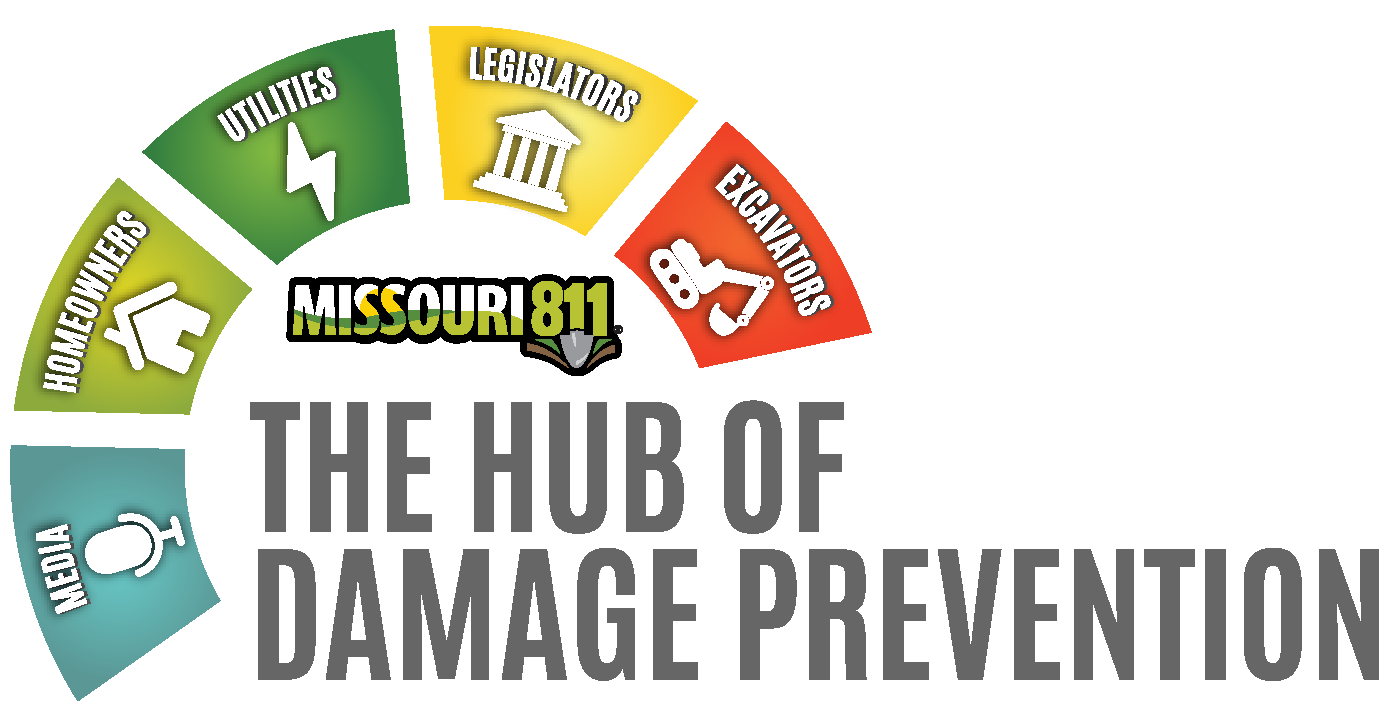
As Missouri 811’s Hub of Damage Prevention, the Damage Prevention Team works with municipalities to identify their biggest challenges and develop practical solutions.
That might mean reviewing damage trends, improving communication between departments, establishing clearer expectations for contractors, or bringing stakeholders together to address recurring problems.
The goal isn’t to create more paperwork. It’s to help municipalities prevent damage before it happens.
Getting Everyone on the Same Page
One of the most effective ways to improve damage prevention is to bring the right people together.
Missouri 811 can help facilitate meetings involving municipal leaders, public works departments, engineers, inspectors, utility owners, locators, and contractors.
These meetings provide an opportunity to discuss what’s working, identify problems, and agree on solutions. They’re not intended to point fingers or reprimand contractors. They’re about improving communication and making sure everyone understands their responsibilities.
For larger projects, particularly directional boring and other trenchless excavation, municipalities may consider requiring preconstruction meetings.
These meetings can help everyone:
- Identify underground utilities and potential conflicts.
- Review excavation and potholing requirements.
- Establish inspection procedures and points of contact.
- Discuss project-specific risks and expectations.
- Understand the consequences of failing to follow requirements.
For large or long-term projects, regular progress meetings can also help identify problems before they lead to utility damage.
7 Ways to Strengthen Municipal Damage Prevention
Municipalities have several options for improving oversight of excavation projects.
Depending on local authority and applicable law, they may consider adopting policies, permit requirements, or ordinances that establish clear expectations for work within their jurisdiction.
For example, municipalities may establish requirements that reinforce Missouri Revised Statutes Chapter 319 and Common Ground Alliance Best Practices.
They may also consider additional requirements for higher-risk projects, including large utility installations, fiber and telecommunications work, directional boring, and excavation affecting the public right-of-way.
Here are seven (7) specific approaches municipalities can consider:
1. Require Pothole Verification
Before directional boring or other trenchless excavation begins, municipalities may require contractors to expose underground utilities for inspection.
A designated municipal contact can coordinate inspections, verify that facilities have been properly exposed, and identify deficiencies that need to be corrected before work proceeds.
The process should be clearly defined so inspections improve safety without creating unnecessary delays.
2. Require Additional Training After Violations
Fines and stop-work orders aren’t the only ways to address violations.
Municipalities may require contractors to complete additional damage prevention training following certain violations. This gives contractors an opportunity to correct unsafe practices and helps reduce repeat problems.
3. Establish Project-Wide Accountability
Instead of holding only the individual excavator responsible for violations, municipalities may consider project-level accountability where legally appropriate.
For example, enforcement actions could affect the broader project or responsible parties, encouraging franchise utilities and prime contractors to carefully select and oversee their subcontractors.
4. Require Approval for Certain Trenchless Excavation Methods
Some municipalities may require written approval before contractors use higher-risk or unguided trenchless equipment, such as pneumatic gophers, moles, or missiles.
Because the position of this equipment cannot be continuously monitored through conventional electromagnetic locating methods, additional planning, utility exposure, or documentation may be appropriate.
5. Establish Designated Trenchless Excavation Hours
Municipalities may consider limiting certain trenchless excavation activities to hours when inspectors and utility repair personnel are available.
The objective isn’t simply to restrict work. It’s to make sure the right people and resources are available if problems arise.
6. Require White-Lining for Large Projects
Clearly identifying the proposed excavation area can help improve the accuracy of locate requests.
For larger projects, municipalities may establish additional white-lining expectations to help utility owners, locators, and excavators understand exactly where work is planned.
7. Adjust Oversight Based on Project Risk
Not every excavation project needs the same level of oversight.
A routine excavation might require standard permitting and notification, while a large directional boring project could require a preconstruction meeting, additional documentation, pothole verification, recurring meetings, and inspections.
Municipalities can establish requirements based on project size, excavation method, location, utility conflicts, and previous project history.
Managing Excavation Activity and Available Resources
Another challenge municipalities face is making sure local locators, inspectors, and utility personnel can keep up with excavation activity.
When construction activity exceeds available resources, municipalities may consider adjusting project schedules, improving coordination, reassigning personnel, or adding temporary resources.
Where legally appropriate, temporary permitting or scheduling adjustments may also be considered.
Any limitations should be reasonable, transparent, and consistent with applicable state requirements.
Using Today’s Projects to Prevent Tomorrow’s Damage
Excavation projects also provide an opportunity to improve underground utility records.
For example, when a contractor exposes a utility that isn’t where existing maps indicate, that information can be used to correct facility records.
Municipalities may also consider requiring updated as-built drawings, GPS coordinates, verified facility locations, or documentation of previously unmapped utilities.
Better records can help future excavators, engineers, designers, and utility owners avoid unnecessary risks.
Damage data can be just as valuable.
By reviewing locate ticket activity, damage histories, inspection findings, and recurring problem areas, municipalities can identify patterns that deserve attention.
For example, repeated damages involving a particular excavation method may point to a need for additional training or stronger inspection procedures.
Rather than treating each damage as an isolated incident, municipalities can use that information to address the underlying problem.
Missouri 811: Your Hub of Damage Prevention
Municipalities don’t have to tackle damage prevention challenges alone.
Missouri 811’s Damage Prevention Team serves as the Hub of Damage Prevention, connecting municipalities with the people, training, and resources they need to protect underground infrastructure.
Whether your community needs help improving excavation procedures, addressing recurring damages, training contractors, or bringing stakeholders together, the team is ready to help.
Best of all, assistance and training from Missouri 811’s Damage Prevention Team are available at no cost.
Ready to Strengthen Your Municipality’s Damage Prevention Program?
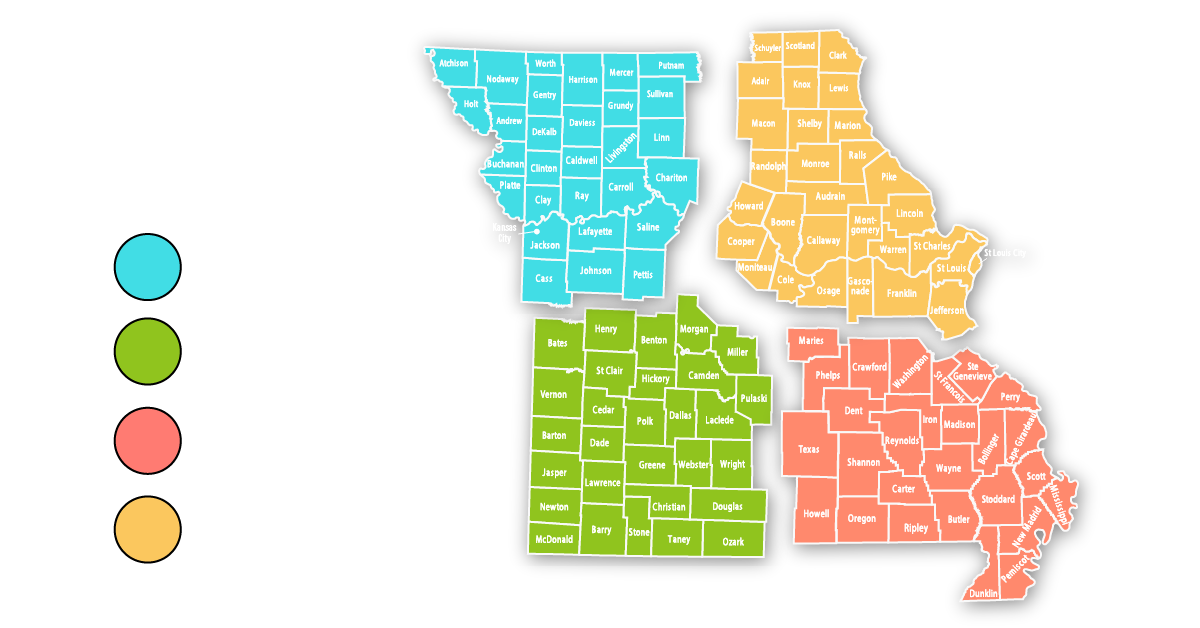
Contact your regional Missouri 811 Damage Prevention Specialist to discuss your community’s challenges and learn how the team can help.
Safety is in Your Hands. Every Dig. Every Time.